
Photographing Space
I thought I’d add a bit of a placeholder on photographing space after over a year of it ‘coming soon’ :)
The good news is you can photograph space with anything from a phone upwards in terms of cameras.
But what are you actually photographing?
There is only one star we can photograph in any detail and that is our sun. This s a very advanced thing to do and the proper kit costs a great deal of money. What you can do is get a bit of Baader film put it in front of you phone camera and get a little pinpoint image - you might see some sunspots! You can do the same with a bit more construction on a camera. What you must never do is look at the sun directly - most of all through a telescope or optical viewfinder - you could lose an eye!
Fro any other stars besides the sun they are bright pinpoints showing no detail - even the best telescopes can do more. What you can get are some lovely pictures of the arrangements of the stars as seen from here - constellations, clusters and so on.
We are one of 8 planets going round our star the Sun. In space terms the planets are very small things which creates a couple of problems - firstly you need a lot of magnification and secondly they are greatly affected by the Earth’s atmosphere - Saturn through a telescope in particular often looks like a twisty monster :) Lucky imaging is the process of taking many many pictures very fast and then averaging - in this case to pull out the planet. In practice what you do is to have a veery long focal length like ten metres or so and a small camera taking thousands of frames of video a minute. A planet as a blob is easy - a planet with any detail is hard!
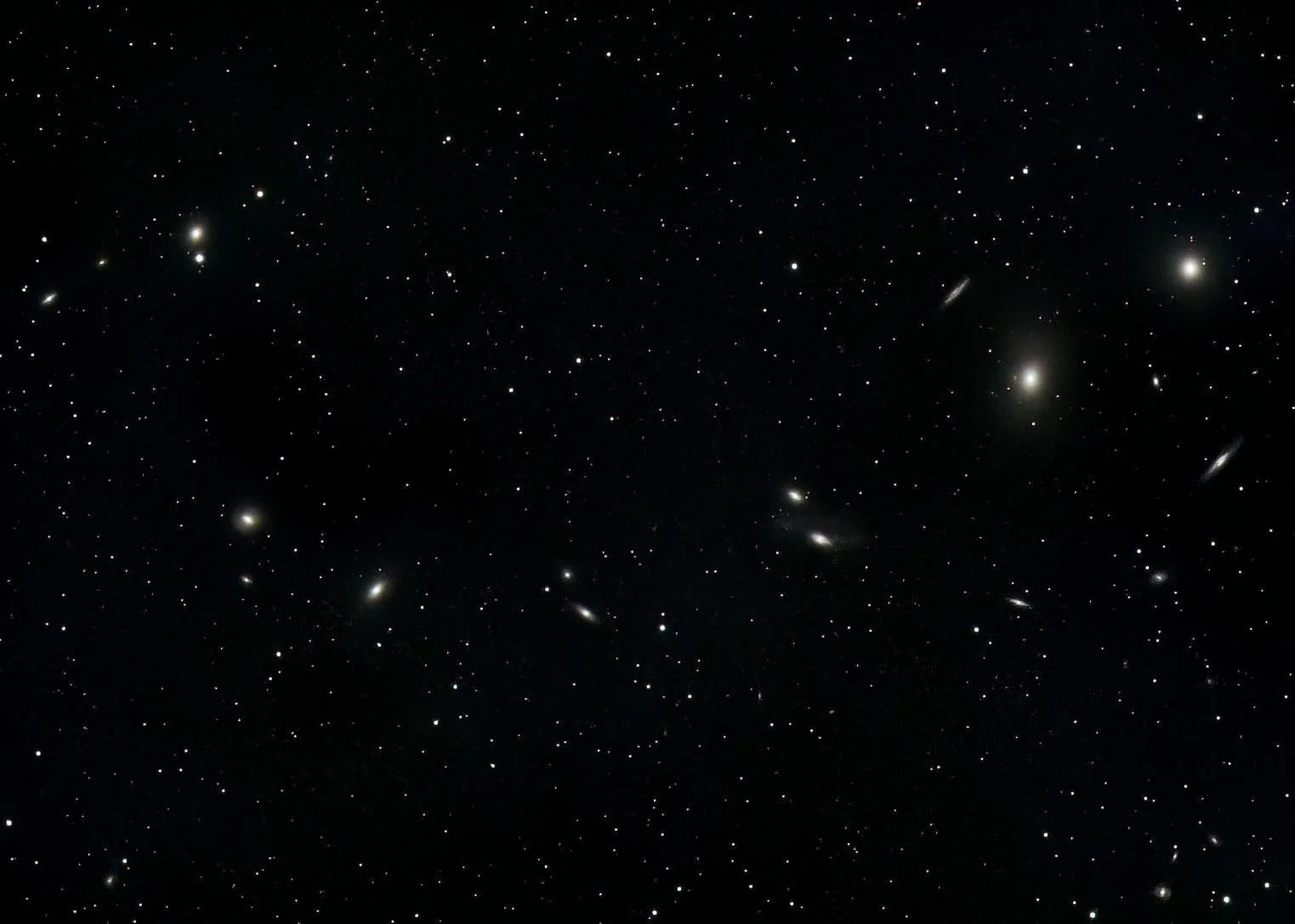
What gets called deep sky astrophotography, which includes these arrangements of stars is really about them then nebulae which are glowing gas clouds in our galaxy (mostly!) and other galaxies entirely - which have their own nebulae. In this case you need a lot of signal over a long time to pick up what are often faint but large objects. You need to photograph the same thing over hours in frames that are often measured in minutes. A big problem here is that the earth rotates so the nebulae and other galaxies move across our view of the sky. Fancy mounts and polar alignment allow you to counteract this and cooled cameras cut down the noise you get with these very long exposures. This is an expensive and pretty technical part of photographing space but it is rewarding when you pull out pictures that look a bit like NASA’s ones :)
Here’s a few ideas for starters :
With a phone you can photograph the Milky Way (our own galaxy), the constellations and the planets as dots.
With a conventional DSLR or mirrorless camera you can photograph all this (given the right lenses!) and have a go at bright nebulae and galaxies like the Orion Nebula and Andromeda Galaxy.
With a small planetary camera and something like a Maksutov or other mirrors and lenses scope you can have a crack at the planets as more than dots.
For deep sky these days I’d start with a smart telescope for a few hundred pounds - they often include the filters to bring out the best in nebulae and will do a lot of what the many thousand pound systems can do - albeit they will take longer. Nebulae being larger than many folks imaging mean that these thing are often at focal lengths of a few hundred mm , not metres are needed for planetary.
Moving on and up you need the big kit to get real detail on nebulae and in particular smaller galaxies - I’m still working on that! The mounts are perhaps the most important part, keeping it all fixed whilst the earth rotates, the wind blows and the earth shakes as lorries and such go past.
Perhaps most importantly for deep sky you need a dark sky - filters can help but there is no substitute for getting away from all the light we humans produce.
Lastly, remember to stop and enjoy it all - the light show is fantastic - don’t miss it whilst fiddling with your camera or telescope!